


The F1 2022 Season Preview (Part 1: Technical and regulatory changes)
Written by Nikhil Published 25 February 2022
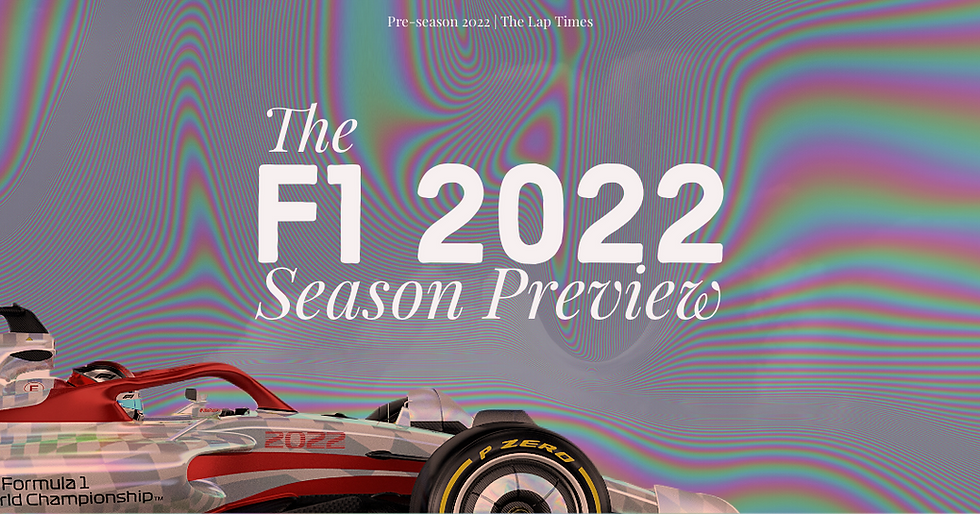

The 2022 F1 season brings a wide array of new changes to the look and feel of the cars often dubbed as the fastest cars on any circuit. The pinnacle of motorsport is constantly evolving with a mutual interest, that is, to make the sport more competitive and obviously, faster. These regulation changes were delayed a year as the pandemic engulfed the world. Finally, the wait is over and these next-generation cars are scheduled to hit the track in a testing session in Barcelona on 23rd of February but the official testing sessions are scheduled in Bahrain, the venue for the championship opener as well on 10th March.
The purpose of these changes

These changes come after almost half a decade of cars looking stagnant and a seeming lack of innovation. Although the cars have evolved a lot over the last 5 years technologically, the silhouette of the cars has remained quite familiar. And a recurring problem that these cars faced was the wake they produced, which made it difficult for cars to follow other cars making overtaking a huge challenge for the drivers. The sidepods, wings and multiple different aerodynamic components had multiple small elements that helped maximize downforce, but disturbed the airflow to cars behind. In 2019, the FIA tried to simplify the front wing elements by removing additional small components on the front wing and restricting teams to only 3 main front wing elements.
What's different?
Aerodynamics
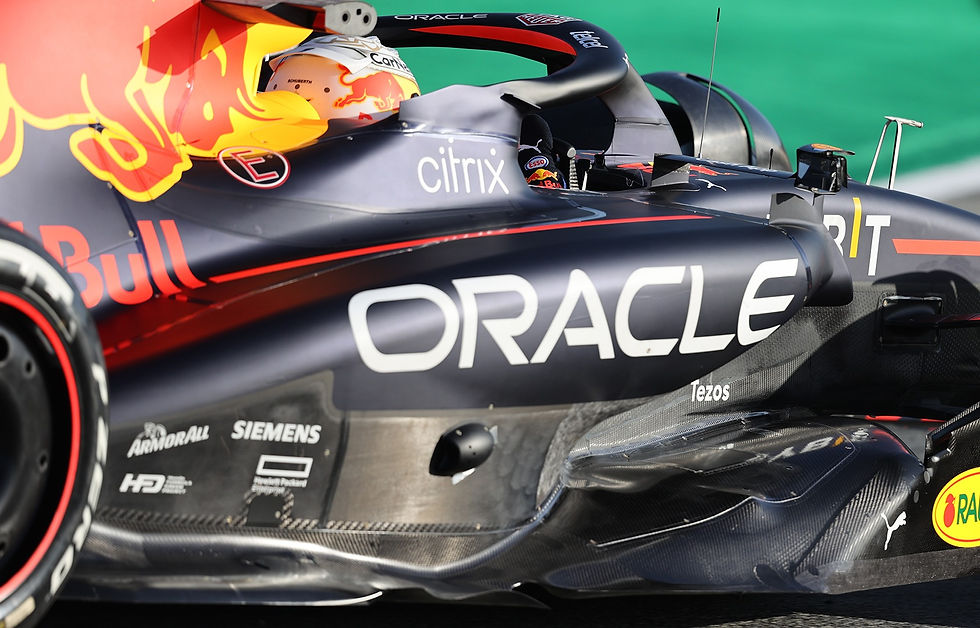
The way the 2022 cars generate downforce is fundamentally different to last year. Downforce is generated using venturi tunnels (airflow channels along the underside of the floor of the car) using a phenomenon called 'ground effect'. This pushes the air under the car, causing it to turn into low pressure air, and is pushed upwards, hence, pushing the car downwards and make it stick to the track. So this year's cars are less reliant on the front and rear wings for downforce production, therefore the wings can be simplified for a less obtrusive wake, which is the general trend for aerodynamic changes this year.

The FIA has allowed more flexibility in the innovation of elements on the car this year, so we can expect cars looking quite different to one another. The front wing is the most radical change, as there is almost full flexibility in the shape of the front wing elements, however, the number of front wing elements are the same as last year. The endplates have been revised to reduce the wake of the car with less sharp edges and a less obtrusive design. The rear wings follow a similar philosophy, smoother edges and less obtrusive endplates.
Safety
Every year, F1 tries to improve safety standards for the pinnacle of motorsport, and this year there are quite a few safety changes. The nose has been altered to withstand higher forces upon the unfortunate event of a head-on collision. The monocoque has also been revised with stronger materials. The car's crumple zone, and how the car will react during a side-on collision has changed, in response to Romain Grosjean's incident in Bahrain 2020; The fuel tank has been secured and is at a smaller risk of exploding in the event of a collision.
Power Unit

Although the power units remain almost entirely the same as last year, the teams are naturally trying to maximize the performance of the V6 power units. The torque and horsepower figures remain the same, however, the fuel itself sees changes. A more sustainable fuel is being used this year, which is just one step towards a greener future that F1 is striving towards.
Mechanical

Arguably one of the biggest and noticeable changes to the cars this year, are the new 18 inch tires. Despite their deceivingly leaner appearance, they are, in fact, significantly heavier than last year's tires. The tire's composition is relatively unchanged but are much larger in every dimension, and denser. The 18 inch tires have featured on the F2 cars for a couple of years, so it isn't entirely new to the single seater series, but the limited exposure to these new tires could be a very tricky obstacle for the drivers to tackle.
The cars are also heavier than last year, with the minimum weight of the car being increased to 752kg from last year's 742kg, and 722kg back in 2017, the introduction of the wider and lower F1 cars. This is a significant change as it means the cars are going to naturally be slower. The reason for this increase in minimum weight is due to the increase of the tire weight mentioned above and the increased safety measures.


Comments